


If you hold crypto on an exchange, your heirs can recover it: they do not inherit the account, but the platform transfers the balance to them after reviewing the death certificate, proof of who inherits and their ID. Each exchange asks for its own documents, and the biggest risk is that nobody knows the account exists. Here is what Bitvavo, Bybit and Bit2Me ask for, and what you can prepare.
This guide summarises what each platform publishes in its help centre. Before starting, confirm the requirements with their support team, and for the legal and tax side talk to a local notary, lawyer or tax adviser.
What happens to an exchange account when its owner dies?
Crypto held on an exchange is not lost when the owner dies: the platform holds it and still knows whose it is. What changes is that nobody can use the account. The three platforms in this guide agree on the essentials:
- The account is not inherited; the balance is. The platform transfers the funds to an account belonging to the heir.
- The death and the right to inherit must be proven with official documents.
- The family has to start the process. If nobody tells the platform, the account just stays there.
That is why heirs should not log in with the deceased's credentials, even if they have them. It is a personal account, and using it can get it frozen and slow everything down.
What does each exchange ask for?
| Bitvavo | Bybit | Bit2Me | |
|---|---|---|---|
| Who applies | The heir or the notary | The executor named in the will | The heir |
| Documents | Death certificate, proof of who inherits, ID of the heir and, if available, of the deceased, the email used to register and where to be paid (IBAN or Bitvavo account). Certified English translation if not in English, German or Dutch | A will naming the executor, death certificate and any necessary court orders | Death certificate, family records, will, acceptance or declaration of heirs, heir's ID and proof of inheritance tax payment |
| How funds are paid out | To a bank account or a verified Bitvavo account, to a single heir | To the executor's Bybit account, who handles distribution | To a new Bit2Me account opened by the heir |
Bitvavo
According to its help centre, the heir or the notary can request a transfer of the remaining balance, but nobody can take over the deceased's account, and a beneficiary cannot be named in advance. The process:
- Contact support with the death certificate, the document proving who inherits, the heir's passport or ID (and the deceased's, if available), the email the deceased used for Bitvavo and where the funds should go: an IBAN or a verified Bitvavo account.
- If the documents are not in English, German or Dutch, a certified English translation is required. Heirs in other countries should arrange this before starting.
- Bitvavo checks that the account existed and who the heir is, and transfers the balance to one heir only: if there are several, they split it among themselves afterwards.
- Once done, they send a balance overview at the date of death, the transaction history and confirmation that the account is closed. That balance is what matters for inheritance tax; the amount received depends on prices on the day of the transfer.
If a notary handles the estate, the inheritance declaration must name that notary explicitly; otherwise Bitvavo cannot share information.
Bybit
Bybit treats this mainly as something the account holder must prepare in advance. Its help centre asks that:
- The will includes the account's user ID (UID) and names an executor with express authority to withdraw the funds and decide how they are distributed, because Bybit does not take part in the distribution.
- The executor has their own verified Bybit account, since the funds are transferred to it.
- The executor provides the death certificate and any necessary court orders, and can reply from the deceased's registered email.
Bybit warns that a defective will can obstruct the transfer. If you use Bybit, check with your lawyer or notary how to reflect this in your will.
Bit2Me
Its help centre is clear: Bit2Me accounts are not inherited; the funds in them are. The heir sends the documents to the verifications department (verifications@bit2me.com) and, once validated, receives the funds in a Bit2Me account opened in their own name. The list includes proof of inheritance tax payment, so it is worth sorting that out first.

What should heirs have ready?
The paperwork depends on the country, but the sequence is broadly similar:
- The death certificate.
- Proof of whether there is a will and who is entitled to act for the estate.
- The document that proves who inherits (grant of probate, letters testamentary, a notarial declaration of heirs or an equivalent).
- Any inheritance or estate tax filing your country requires. Some platforms ask for proof of payment.
- A claim to each exchange, with the documents it asks for.
Each step is covered in more detail in how to inherit cryptocurrency.
What can you prepare yourself?
- A list of the exchanges where you have accounts and the email you signed up with, without passwords or codes. It is the single most useful thing: without it, your heirs will not know where to claim.
- If you use Bybit, the UID and an executor in your will, as the platform asks. We explain how in crypto in your will: what to include and what to leave out.
- Access to your email for your family, or at least let them know which address you use: some platforms communicate through it.
- For long-term savings, consider self-custody. An exchange is convenient, but your heirs will depend on its timelines and requirements. In self-custody they depend on nobody, as long as they receive the seed phrase.
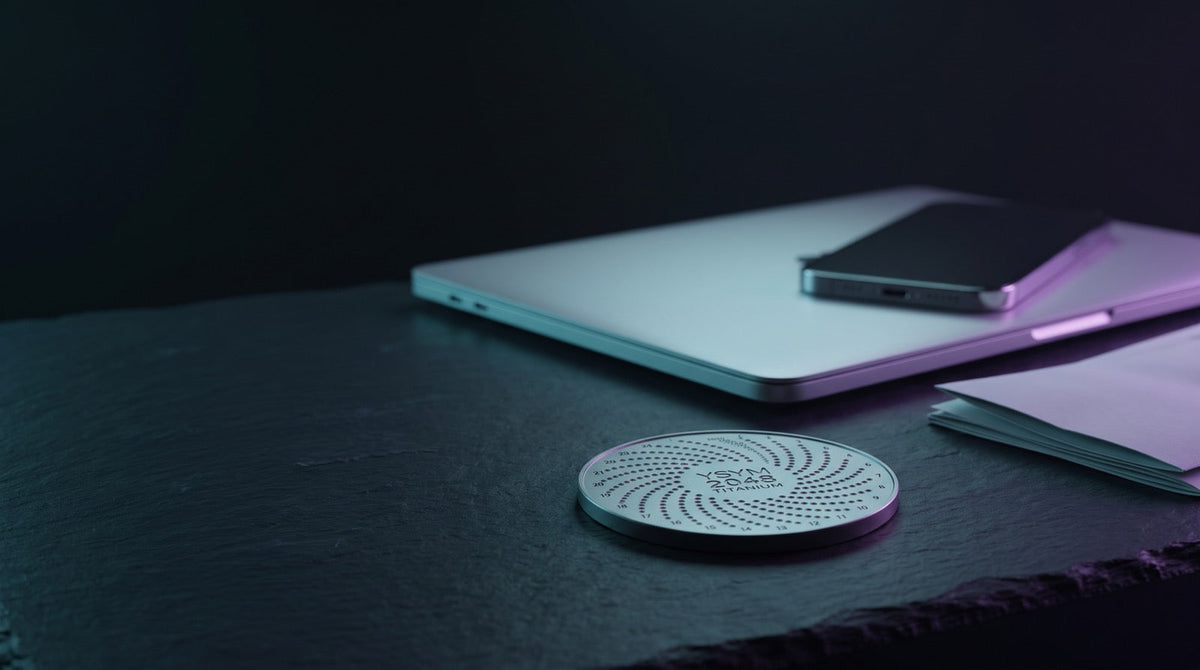
If you take that step, apply sovereignty: the seed phrase engraved in full on a Yoseyomo, protected by a passphrase, and the passphrase and where the Yoseyomo is in an Inheritans message that only reaches your family when the time comes. The list of exchanges can go in that same message. We explain it in what happens to your crypto if you die without leaving your seed phrase.
Want to get it ready? Leave the list of your accounts and your wallet's passphrase in an Inheritans message, and the seed phrase engraved on a Yoseyomo.
Related questions
Can my heirs log in to my exchange account with my password? They should not. The account is personal and exchanges do not transfer it: what is inherited is the balance, which the platform pays out after reviewing the documents. Logging in with your credentials can get the account frozen and complicate the process.
What documents do exchanges ask heirs for? At least the death certificate, proof of who inherits and the heir's ID. Bit2Me also asks for proof of inheritance tax payment, and Bybit works with the executor named in the will.
Is the account inherited or just the balance? Just the balance. Bitvavo, Bybit and Bit2Me state that the account is not transferred: the funds are sent to an account belonging to the heir.
What happens if nobody knows about the exchange account? The funds stay on the platform. That is why you should write down which exchanges you use and the email you signed up with, without passwords.
For inheritance, is it better to keep crypto on an exchange or in self-custody? On an exchange, your heirs can claim it through paperwork. In self-custody they depend on nobody, but they need the seed phrase. For long-term savings, self-custody with the seed phrase in metal and the passphrase delivered by another route is safer.
Share:
Crypto in Your Will: What to Include and What to Leave Out
How to Pass On Your Seed Phrase to Your Heirs Without Putting It at Risk